
Site Secure Update: DNS, CDN, WAF and Vulnerability Scanning
Racent’s October 2024 Site Secure update combined DNS, CDN acceleration, DDoS and web application protection, and website vulnerability scanning.
In October 2024, Racent announced an upgrade to Site Secure, its website security and acceleration service. Built on the Tianyi Cloud, also known as China Telecom Cloud, service platform, the offering combined CDN acceleration, DDoS protection, application-layer attack protection and request compliance checks to help websites improve delivery performance and manage attack risk.
The capabilities, limits and promotional allowances below describe the October 2024 announcement. They are not a current international price list, coverage guarantee or service-level commitment.
What services did the update include?
1. Enterprise DNS
DNS resolves domain names to addresses and other records used by network services. The announcement included enterprise DNS, offered free of charge under the described service terms, with intelligent resolution features intended to support performance and reliability.
The setup process had three steps:
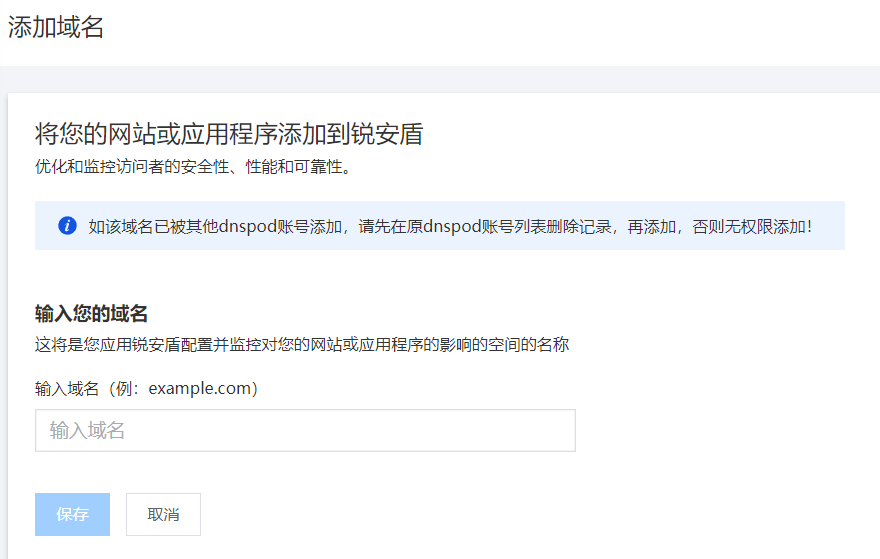
- Add the domain.
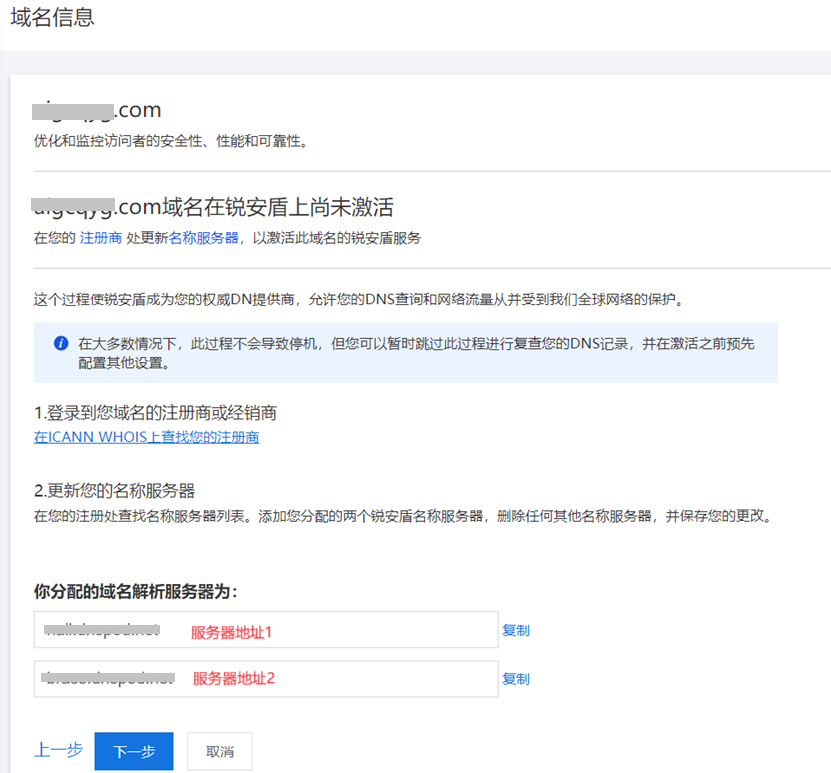
- Change the domain’s authoritative name servers.
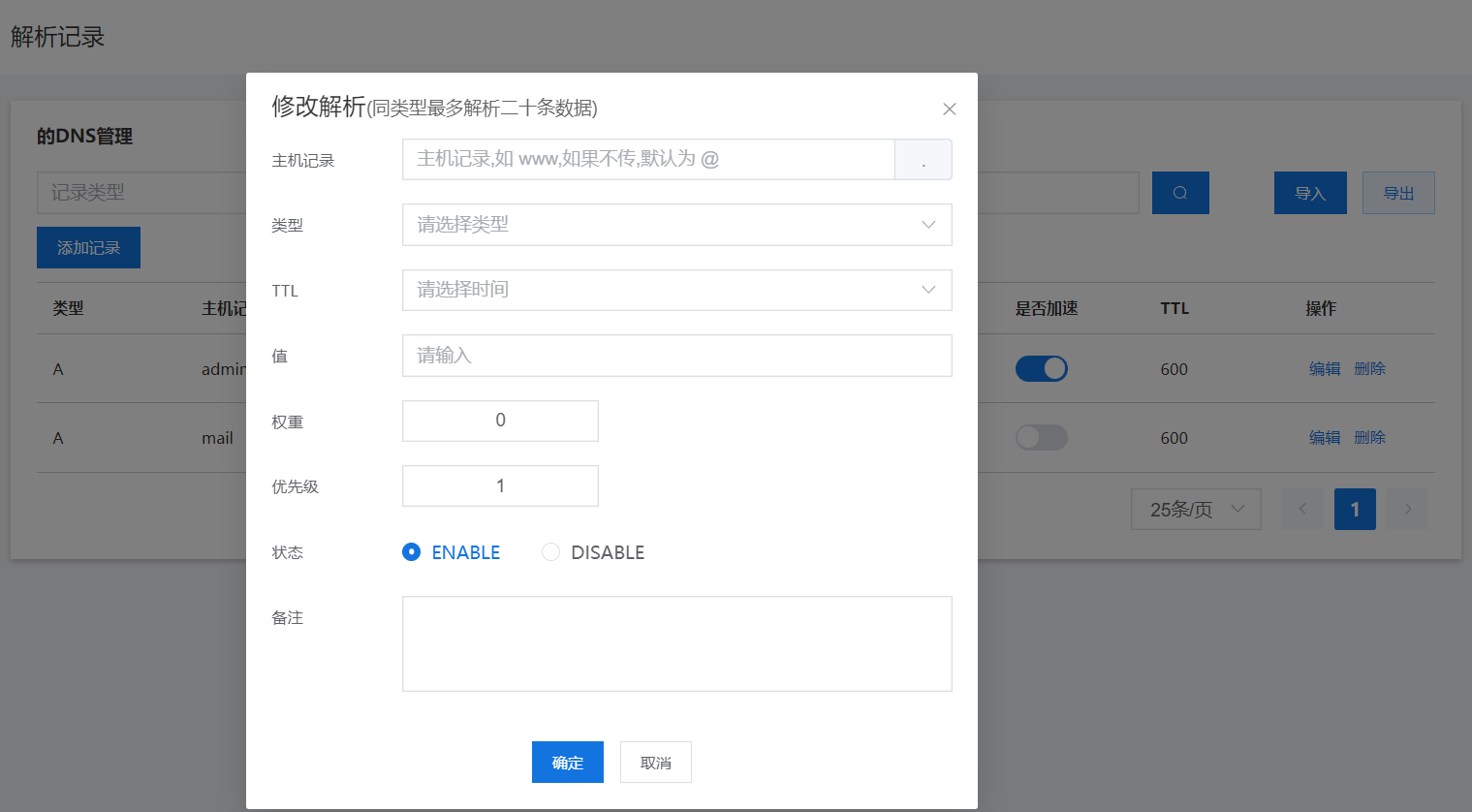
- Add or import its DNS records.
2. CDN acceleration
A content delivery network, or CDN, distributes and caches content across edge servers so eligible requests can be served closer to users. This can reduce delivery distance and improve response times. Actual benefits depend on cacheability, network coverage and configuration.
The announcement described enabling CDN acceleration from the DNS service with a single action, while also activating website security protection. The general explanation of geographically distributed CDN nodes should not be read as a guarantee that this particular plan had coverage in every country.
3. WAF and website protection
Site Secure described coordinated protection across network and application layers, detecting and blocking certain Layer 3, Layer 4 and Layer 7 attack requests at its service nodes.
- DDoS protection: Network-layer defenses, with a stated peak protection capacity of 10 Gbps in the original announcement.
- CC attack protection: Controls for common application-layer request-flood attacks, often called CC attacks in Chinese security terminology, with threshold-based and always-on modes.
- Rule-based protection: Detection and blocking rules for common attacks such as SQL injection, cross-site scripting, malicious scanning, command injection, exploitation of web application vulnerabilities, web shell uploads, malformed protocol traffic and backdoor-related requests.
- Request compliance checks: Checks on HTTP request methods, parameter lengths and related protocol characteristics. This feature name does not imply certification of legal compliance.
- Logging: Attack logs and business traffic logs.
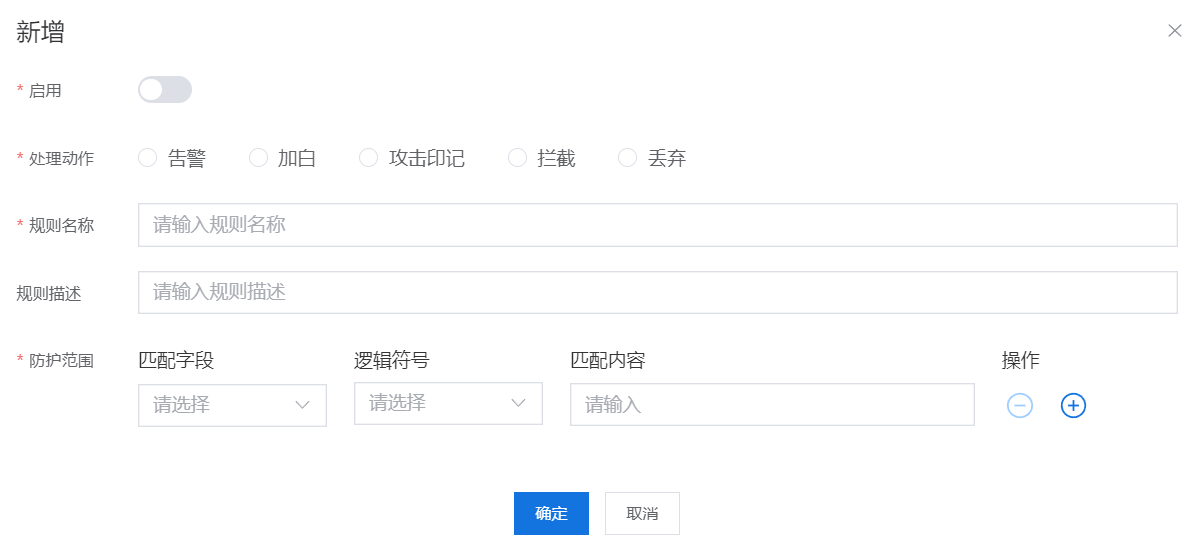
- Custom web protection rules.
Protection limits and effectiveness depend on the subscribed service, deployment and attack characteristics. These features do not guarantee that every attack will be prevented.
4. Website vulnerability scanning
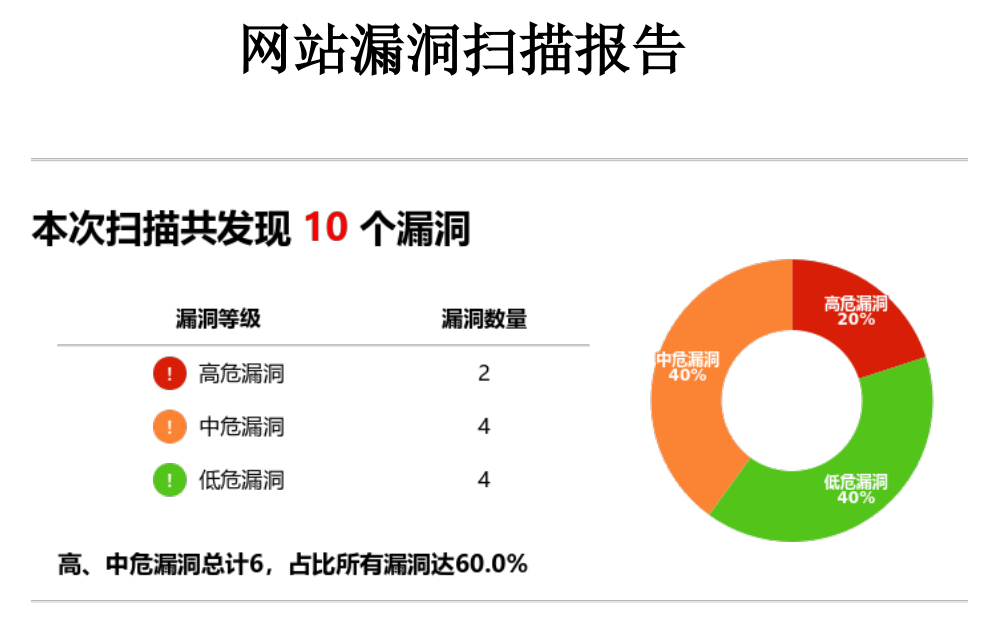
The original announcement described remote website scanning covering 25 web application vulnerability categories associated with the WASC classification and risks covered by the OWASP Top 10 used in that product context.
Scan results provide information about detected vulnerabilities and remediation recommendations so administrators can prioritize fixes. Scanning should be limited to systems the operator is authorized to test. A scan cannot establish that a site is free of every vulnerability.

What did the free Basic plan include?
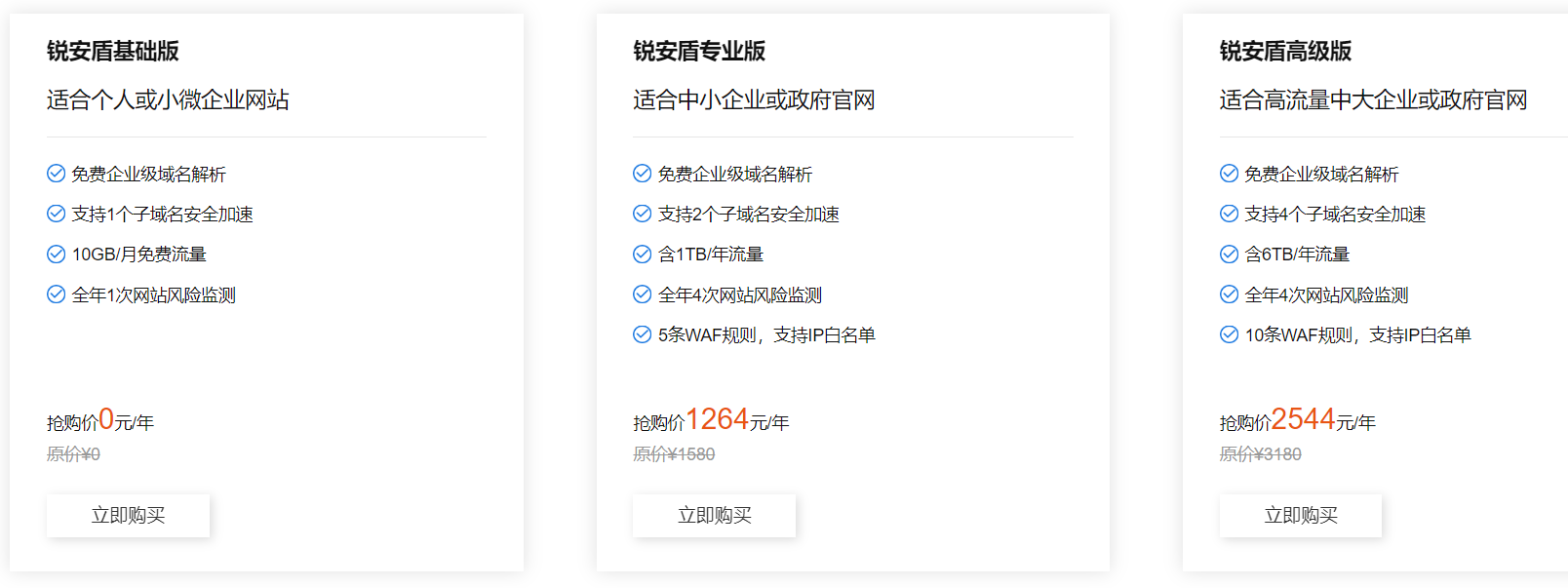
The announcement described Basic, Professional and Advanced service tiers. Its historical offer provided one year of the Basic service, including:
- Enterprise DNS at no charge under that offer.
- Security and acceleration for eligible subdomains.
- A CDN allowance stated as 500 GB per month for the first three months, followed by 10 GB per month from month four.
- Website vulnerability risk checks and related basic capabilities.
These allowances are reproduced to preserve the original announcement. Do not rely on them as an active promotion or current NicSRS service entitlement.
For the product overview, visit Site Secure. To discuss current availability and service requirements, contact us. The international route is a NicSRS consultation, not a direct purchase page for a verified matching plan.